
For people whose depression hasn’t improved enough with other treatments. Delivered during an inpatient stay at Avive Clinic Melbourne, after specialist assessment.
A psychiatrist’s assessment determines whether TMS is right for you.
Inpatient TMS
Given during a hospital admission
Awake during treatment
No anaesthetic or sedation
Psychiatrist assessment
An individual treatment plan
Two TMS suites
At our Alphington hospital
Understanding TMS
Transcranial magnetic stimulation (TMS) uses magnetic pulses to stimulate areas of the brain involved in mood regulation. It may be considered for people with depression, particularly when other treatments haven’t helped enough.
A psychiatrist reviews your symptoms, medical history, medications and previous treatments before prescribing a course. TMS works differently from antidepressants and talking therapies, so it’s usually part of a broader care plan alongside them.
TMS isn’t suitable for everyone. Your psychiatrist will review your medical history, medications and any implants or devices before recommending treatment. Talk to our team about an assessment.
Coming soon · from 14 November 2026
A TMS pathway for OCD is planned to start at our Victorian clinics on 14 November 2026. Contact our admissions team to talk about specialist assessment.
Treatment at Avive Clinic Melbourne
Your psychiatrist prescribes the treatment plan after assessment and reviews your response throughout.
|
Treatment
|
What to expect
|
|---|---|
|
Typical course
|
A standard course is 30–40 sessions. During a three-week admission, up to 15 sessions can be given as an inpatient, usually one each working day. Your psychiatrist decides your course.
|
|
Session length
|
About 30 minutes.
|
|
During a session
|
You stay awake. No anaesthetic or sedation is needed.
|
|
After discharge
|
If you’d like to continue TMS, your psychiatrist can refer you to an outpatient TMS provider for the remaining sessions.
|
|
Care setting
|
Inpatient only at Avive Clinic Melbourne. Our admissions team can talk with you about admission, suitability and funding.
|
What to expect
1
Your GP or psychiatrist refers you. A psychiatrist checks whether TMS suits you and reviews your medications, and our admissions team explains admission and funding.
2
Before your first session, a TMS psychiatrist measures your motor threshold and maps where on your head treatment will be given.
3
You sit comfortably with a coil against your scalp for about 30 minutes. You’ll hear clicking and may feel tapping. You stay awake and can talk with your clinician.
4
Sessions are usually once each working day, alongside the rest of your inpatient program. You don’t need recovery time after a session.
5
Towards the end of your admission, your response is reviewed. If you’d like to keep going after discharge, your psychiatrist can refer you to an outpatient TMS provider.
Specialist assessment at Alphington
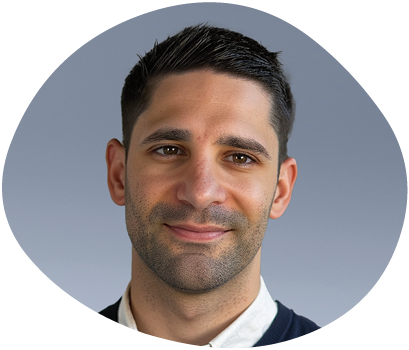
Consultant Psychiatrist · BSc, MBBCh, FRANZCP
Dr Thomas Gupta-Jessop is now also practising at Avive Clinic Melbourne. His clinical interests include general adult and forensic psychiatry.
For GPs, psychiatrists and referrers
Address your referral to Dr Thomas Gupta-Jessop, asking for assessment for inpatient TMS, with Avive Clinic Melbourne (Alphington) as the preferred site.
To help us decide whether we can accept the referral, please include:
TMS starts at the beginning of an admission, so please mention it in the referral rather than later in the stay.
Your questions, answered
Have another question? Our admissions team can help you understand the next steps.
Yes. New patients need a referral from a GP or psychiatrist. Our admissions team can help you arrange a TMS assessment at Alphington.
No. TMS and electroconvulsive therapy (ECT) are different treatments. TMS doesn’t need a general anaesthetic and doesn’t deliberately cause a seizure.
TMS is usually well tolerated. The most common side effects are a passing headache, scalp discomfort, nausea and dizziness. Seizures are rare. Your psychiatrist will explain the risks before treatment.
It varies. Some people notice improvement during the course, while others take longer, and not everyone responds. Your psychiatrist reviews your progress and talks with you about adjustments or other options if needed.
Your psychiatrist reviews your medications as part of your assessment. Don’t stop or change them unless your treating doctor advises you to.
Yes. At Avive Clinic Melbourne, TMS is given during an inpatient stay. Contact our admissions team to talk about admission, whether TMS suits you, and funding.
Costs depend on your health cover and eligibility. Our admissions team can explain fees and any out-of-pocket costs. Please also check your cover with your health fund before treatment.
A TMS pathway for OCD is planned to start at our Victorian clinics on 14 November 2026. Contact our admissions team to check the Alphington pathway and talk about specialist assessment.
Your local Avive clinic
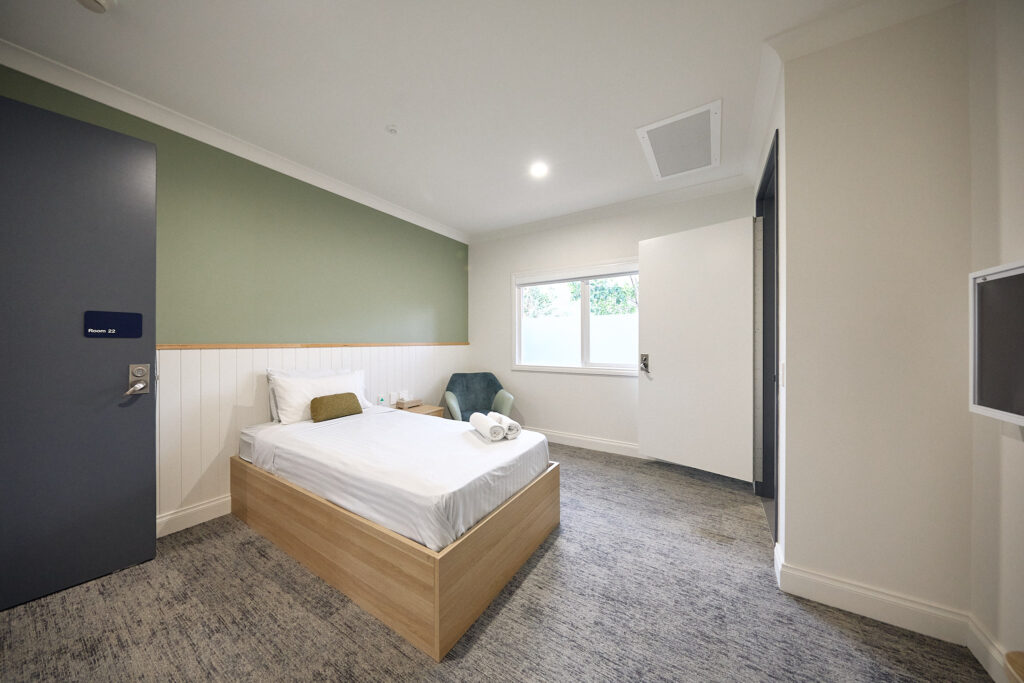
Avive Clinic Melbourne
9-11 Old Heidelberg Road, Alphington VIC 3078
Contact our admissions team to ask about inpatient TMS, referrals, admission and funding.
Admissions: Monday to Friday, 8:30am to 5pm (local time), excluding public holidays.
Not for emergencies. If you need urgent help, call 000 or Lifeline on 13 11 14.
General information only. TMS needs specialist assessment and isn’t suitable for everyone. Treatment outcomes vary.